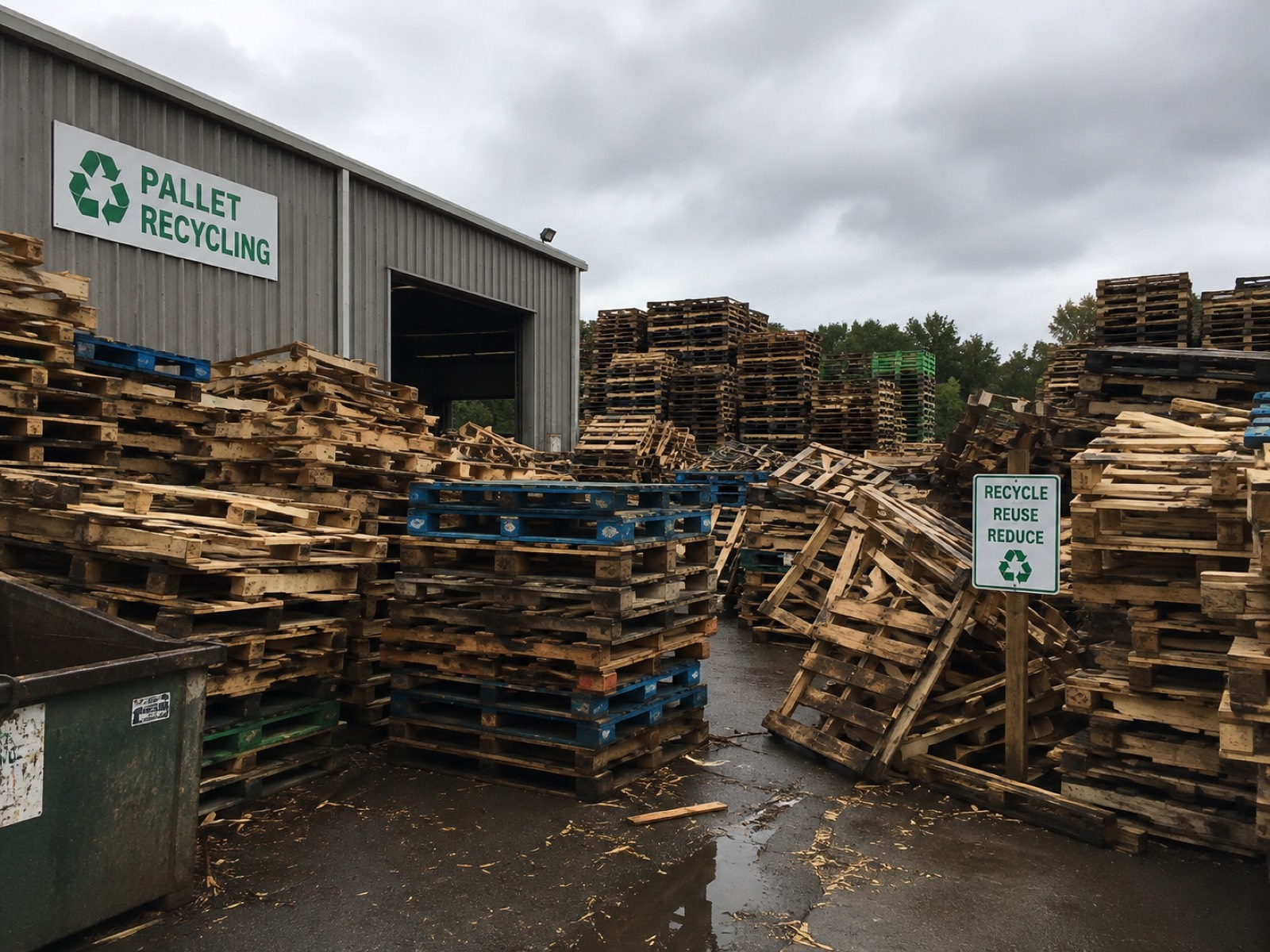
Why grades exist
There is no single government standard that dictates what a "Grade A" pallet is — grading is an industry convention that reputable suppliers apply against a written internal standard. The value of grading is consistency: instead of buying a mixed pile and hoping, you order to a defined condition and get a uniform load.
The risk is that "Grade A" from one supplier is "Grade B" from another. The fix is to buy from a supplier who inspects every unit and can tell you exactly what their grade means. That is why we publish clear definitions and grade against them on every load.
Grade A (#1): near-new and rack-ready
Grade A recycled pallets are the premium tier of used stock. They are structurally strong, dimensionally consistent, and free of unrepaired damage, with clean deck boards that run smoothly through conveyors and automated storage. Many have had at most a board or two replaced.
- Best for automated lines, racking, and premium outbound shipments
- Uniform size and appearance
- Small premium over Grade B, well worth it for automation
Grade B (#2): sound but worn
Grade B pallets are fully functional and structurally sound, but they show their history — weathering, minor plugged repairs, and cosmetic wear. They carry typical loads reliably; they just are not pretty.
- Best for one-way shipments and internal transport
- The economical choice when appearance and automation tolerance do not matter
- Often the smart default for outbound loads that will not return
Recycled vs remanufactured
A recycled pallet is an existing used pallet that has been repaired and re-graded — it entered your yard as a whole pallet and leaves as a whole pallet. A remanufactured (or "combo") pallet is built up from individual sound boards and stringers salvaged during recycling, assembled to hit a specific size and strength.
Remanufactured units matter when you need a size that used stock does not reliably supply, but still want the low cost and low carbon of reclaimed wood. Think of recycled as "repaired" and remanufactured as "rebuilt."
How to choose in ten seconds
Ask two questions: Is the load going through automation or premium retail? If yes, Grade A. Is it a one-way or internal move where looks do not matter? Grade B. Need a non-standard size cheaply? Remanufactured. Need export-grade precision or maximum strength? New.
What inspectors actually look at
When a trained sorter grades a used pallet, they are not eyeballing it for tidiness — they are checking a short list of structural signals that predict how the unit will behave under load. The stringers get the most attention, because a cracked or split stringer is the failure most likely to drop a load or jam a forklift. Deck boards come next: how many are present, whether any are cracked through, and whether the lead boards that take forklift entry are intact.
Fasteners and overall geometry round out the check. A pallet that has racked or twisted out of square will not sit flat in automated equipment, even if every board looks sound. Loose nails, shiners (nails that missed the stringer), and protruding fasteners are all downgrade or repair triggers because they snag product and film. A good grader can run this whole assessment in a few seconds per unit once it becomes muscle memory.
- Stringers: cracks, splits, or previous plating
- Deck boards: count, breakage, and intact lead boards
- Geometry: square, flat, and not twisted
- Fasteners: no shiners, loose nails, or protrusions
Common defects and what they mean
Not every flaw is equal. A single cracked deck board is a routine repair that barely affects grade once fixed, while a split stringer is a more serious structural issue that determines whether a pallet is repairable at all. Learning to tell cosmetic wear from structural damage is the difference between overpaying for pristine stock and under-buying pallets that fail in service.
Weathering and gray discoloration usually look worse than they are — sun and rain darken the surface without meaningfully weakening sound lumber, which is why many Grade B units are simply Grade A wood that spent time outdoors. Mold and active rot are different and do compromise strength. Plugged or plated repairs from a previous life are not defects at all; a well-executed metal stringer plate can be as strong as the original wood.
Buying to a spec, not a pile
The practical takeaway is that grades are a communication tool. When you order to a defined grade, you and your supplier share a common vocabulary, and you can hold a delivery to that standard. Buying from an unsorted pile means accepting whatever mix arrives, which almost always skews toward the weaker end because the strong units get pulled first.
For any recurring order, it is worth writing down exactly what you need: the grade, the size, whether four-way entry matters, and any load or racking rating. A short written spec removes ambiguity and gives both sides something to check against. We are glad to help draft one against your actual loads so you neither overpay for strength you do not need nor risk failures you cannot afford.
Put this into practice
Ready to act on it? Request a quote or browse our services and products.