Service
Pallet Transport & Logistics
The right pallets, the right dock, the right day.
The short answer
Evergrain handles the freight side of pallets: delivering graded stock where you need it, collecting empties on the return leg, and using backhaul routing to cut empty miles. Our Memphis hub sits on the nation’s logistics crossroads, which keeps regional lead times short and freight cost predictable.
Request a quote
Fill this out and we’ll reply by email with a plan and a price. It’s the same form you’ll find on every page — no phone tag required.
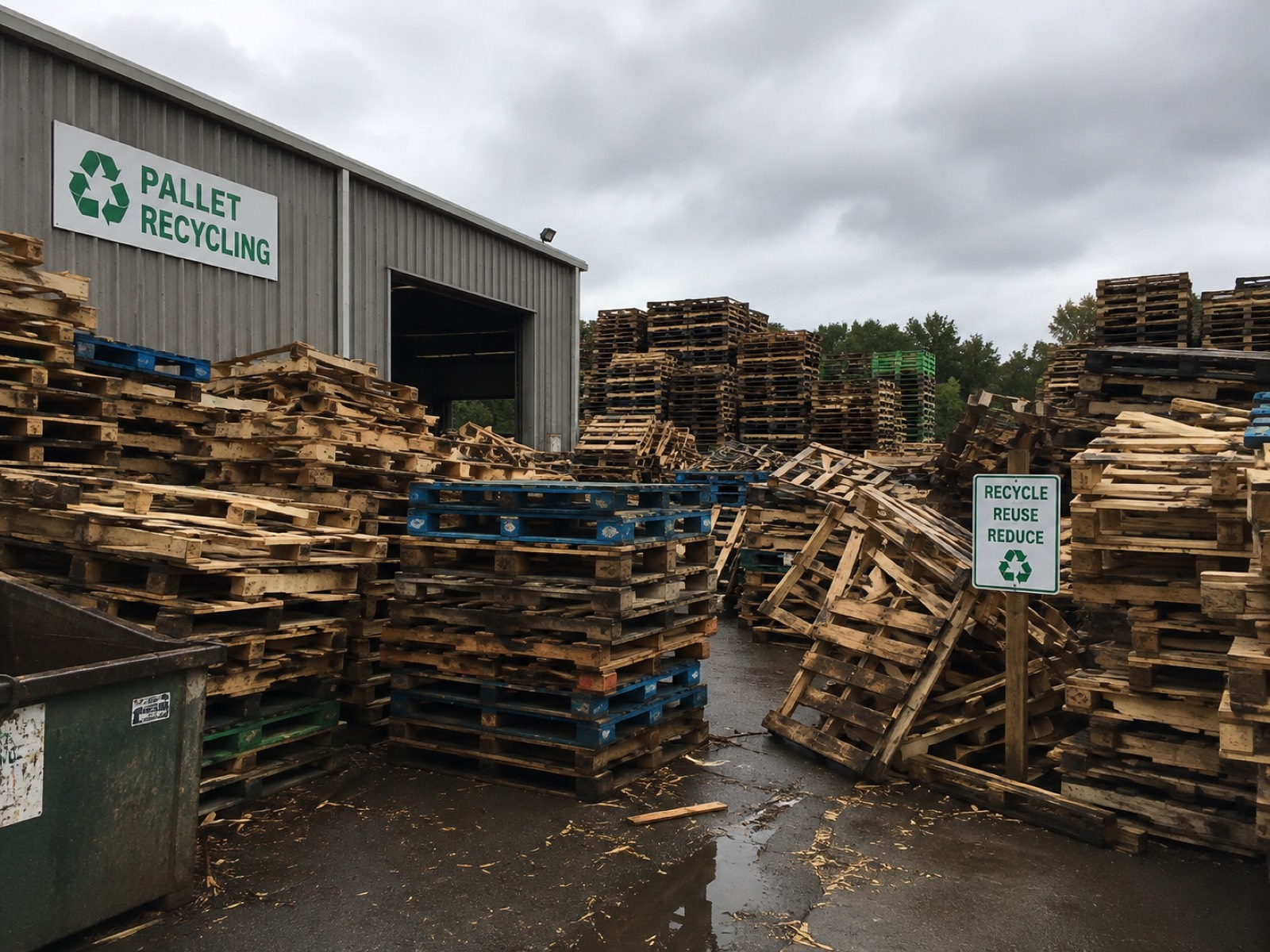
Backhaul that erases empty miles
A truck that delivers pallets and returns empty is burning fuel for nothing. We pair outbound deliveries with return pickups of your empties wherever geography allows, so the same trip does two jobs. That is lower cost for you and fewer emissions for everyone.
Just-in-time, without the stockpile
Storing thousands of pallets ties up floor space and cash. With scheduled JIT delivery, we hold the inventory and feed your line as it consumes, so you keep only what you need on hand today.
- Recurring scheduled drops
- Surge capacity for peak season
- Consolidated multi-size loads
- Empty recovery on the return leg
Anchored in Memphis for a reason
Memphis is a national freight nexus — road, rail, river, and air converge here. Operating from that hub means Evergrain reaches a huge share of the country within a short regional haul, keeping both transit time and cost down.
How freight pricing is built
A pallet freight quote is not a mystery once you see the inputs. Distance and lane density matter most — a route we already run costs far less than a one-off into an area with no return volume. On top of that we look at load size, how well pallets cube out in the trailer, fuel, and whether we can pair the trip with a backhaul to split the miles across two jobs.
Because we quote the pallets and the freight together on delivery orders, you see a single landed cost rather than a surprise charge after the fact. When a lane is expensive, we will say so and look for ways to consolidate loads or shift to a nearby route that saves money. The aim is a predictable freight line, not a gamble.
- Distance and how established the lane is
- Load size and how efficiently it cubes out
- Fuel and current carrier-market conditions
- Backhaul pairing to share miles across trips
Peak season without the panic
The worst time to discover a pallet shortage is the middle of your busiest quarter, when everyone else is short too and spot freight is expensive. We plan surge capacity with accounts ahead of known peaks, reserving stock and lane capacity so your line keeps moving when demand spikes.
This kind of forward planning is where a logistics partner earns its keep. Instead of scrambling for trucks and pallets in Q4 at premium rates, you have committed capacity lined up in advance at a rate agreed when the market was calm. Predictability during peak is worth as much as the raw price.
How transport ties the other services together
Freight is the connective tissue of everything else Evergrain does. The same truck that delivers your graded stock can collect your empties for recycling, feed a retrieval program by recovering assets from downstream receivers, or carry custom-built units to your line. Coordinating those movements under one logistics plan is where the real efficiency lives.
When buying, recycling, and retrieval share routing, you stop paying for separate trips that could have been combined. A single partner managing the pallet flow in both directions means fewer empty miles, fewer invoices, and a cleaner view of where every unit is at any moment.
Fewer empty miles, lower emissions
Empty miles are the quiet waste of the freight world — fuel burned and carbon emitted to move nothing. Backhaul routing attacks that directly by making a delivery trip do double duty as an empty-recovery run, so the environmental cost per unit moved drops even as your bill does.
It is a genuine case where the efficient choice and the sustainable choice are the same choice. Cutting the number of trips needed to keep your pallets circulating shrinks the freight footprint of your whole operation, and we can help you quantify that reduction for reporting purposes.
FAQ
Frequently asked questions
How far do you deliver?
We run our own regional routes and tap a national carrier network for longer hauls. Share your destination in the form for a freight quote.
Can you combine delivery and empty pickup?
Yes — that backhaul pairing is one of the biggest cost savers we offer and we build it in wherever routing allows.
Do you handle peak-season surges?
We plan surge capacity with accounts ahead of known peaks so you are not scrambling for pallets in Q4.
Do you offer just-in-time delivery?
Yes. We hold inventory and feed your line as it consumes, so you keep only what you need on hand today instead of tying up floor space and cash in a stockpile. Scheduled JIT drops are one of our most-used arrangements.
Can you consolidate multiple pallet sizes on one load?
We do this regularly. Combining several sizes into a single well-cubed load cuts your per-unit freight and reduces the number of trips, which lowers both cost and emissions.
Why does operating from Memphis matter to me?
Memphis is where road, rail, river, and air freight converge, so a huge share of the country sits within a short regional haul of our hub. That translates directly into shorter transit times and lower, more predictable freight cost for you.
How does backhaul routing save money?
A truck that delivers pallets and returns empty burns fuel for nothing. By pairing your outbound delivery with a return pickup of empties, the same trip does two jobs — splitting the miles across two purposes and cutting the cost of each.
Can transport be bundled with your other services?
That is usually the most efficient setup. The same routing can deliver graded stock, recover empties for recycling, and support a retrieval program, so one logistics plan covers your whole pallet flow with fewer trips and fewer invoices.
Ready to give your pallets another life?
Buy, sell, recycle, or haul — start with a fast, no-obligation quote and we’ll take it from there.