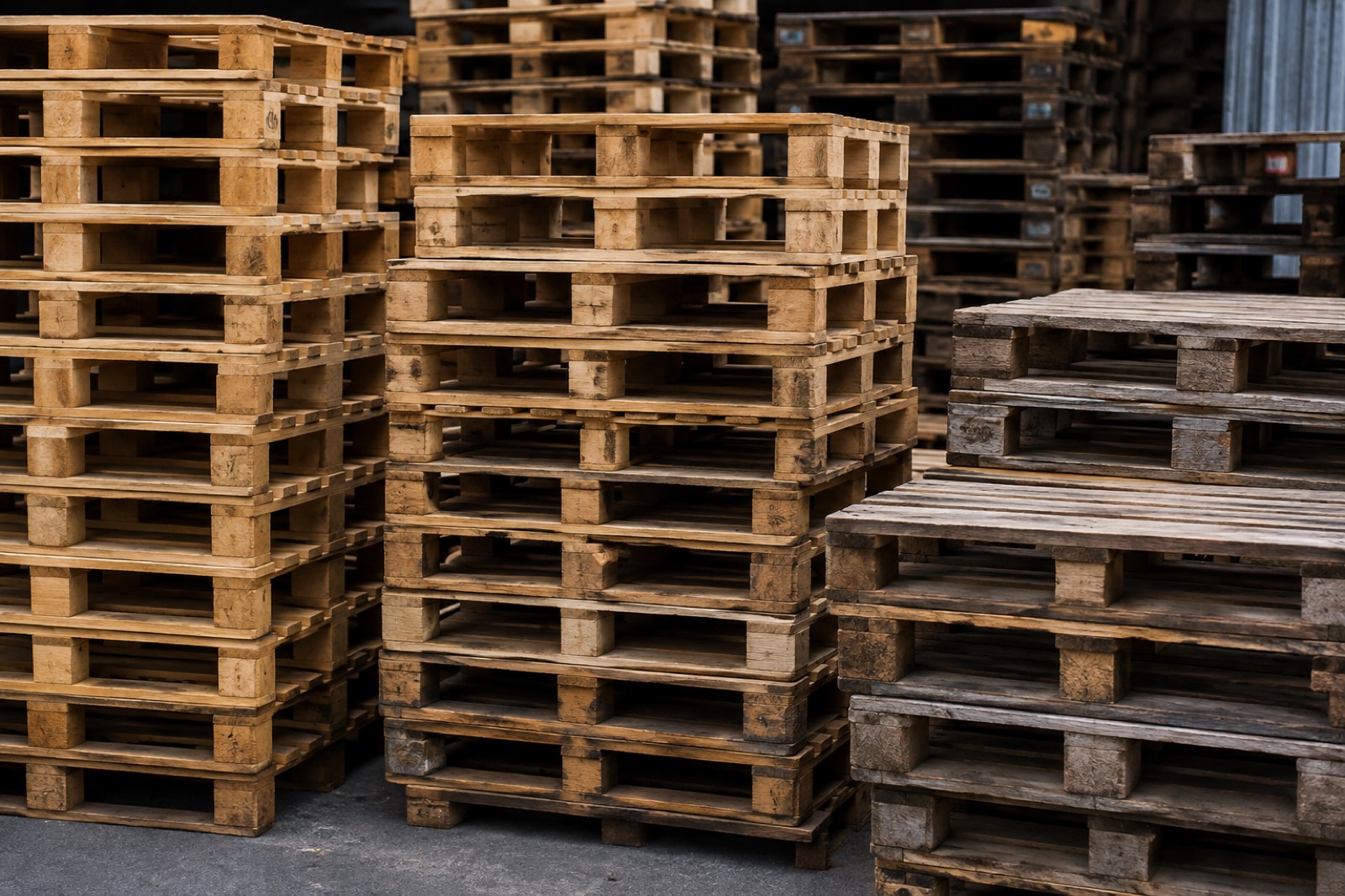
What ISPM-15 is and why it exists
ISPM-15 (International Standards for Phytosanitary Measures No. 15) exists to stop wood-boring pests from hitching a ride across borders inside pallets and crates. Invasive insects moved this way have caused billions in ecological and economic damage, so most countries now require treated wood packaging for imports.
Heat treatment vs fumigation
There are two accepted treatments. Heat treatment (HT) raises the wood’s core temperature to at least 56°C for a minimum of 30 minutes, killing pests without chemicals — it is the dominant, environmentally friendlier method. The older methyl-bromide fumigation is being phased out in many regions because the chemical is an ozone-depleter. For nearly all modern export needs, HT is the answer.
- HT: 56°C core temperature for ≥30 minutes
- Chemical-free and widely accepted
- Methyl bromide: legacy method, increasingly restricted
Reading the stamp
A compliant pallet carries a mark with the IPPC "wheat" logo, a two-letter ISO country code, a unique number identifying the certified facility, and a treatment code — "HT" for heat treatment. If a pallet lacks this stamp, customs in the destination country can reject, treat, or destroy the shipment at your expense.
Staying compliant
If you export, source heat-treated, stamped pallets from a certified supplier and keep them separate from your domestic stock so an untreated unit never slips into an international load. Evergrain supplies ISPM-15 heat-treated pallets and can build export orders to the size and strength your goods require.
What ISPM-15 covers — and what it does not
The standard applies to solid-wood packaging material thicker than roughly six millimeters: pallets, crates, dunnage, blocking, and skids. That means the same rules that govern your export pallet also govern the loose wood bracing you throw in to keep freight from shifting, which is an easy thing to overlook. Untreated dunnage has caused shipment holds even when the pallet itself was perfectly compliant.
Several materials are exempt because they are processed enough to pose no pest risk. Plywood, oriented strand board, particleboard, and other engineered wood products are excluded, as are thin veneers and materials made entirely from wood shavings or sawdust. Plastic and metal pallets are outside the standard altogether. Knowing what is exempt helps you route the right freight through treatment and avoid paying to treat wood that never needed it.
- Covered: pallets, crates, dunnage, blocking, skids over ~6 mm thick
- Exempt: plywood, OSB, particleboard, and other processed wood
- Outside scope: plastic and metal packaging
How the treatment and certification chain works
A facility does not simply own an oven and start stamping. To apply the IPPC mark, a treater is audited and certified by an accredited program, assigned a unique registration number, and required to document that every batch actually reached the 56°C core temperature for the full 30 minutes. The stamp is a certification that this monitored process occurred, not a decoration — which is why applying it without authorization is treated as fraud.
For you as a shipper, the practical consequence is a chain of custody. The value of a compliant pallet lives in its documentation and its unbroken mark, so buying from a certified source and keeping records matters as much as the physical treatment. If a customs officer questions a load, the ability to point back to a registered facility number is what resolves it quickly.
Repairs, remarking, and avoiding rejection
A subtle trap catches many exporters: repairing a treated pallet can invalidate its mark. If more than a set proportion of a stamped pallet is replaced with untreated wood, the whole unit must be re-treated and re-marked, because the original certification no longer describes what is in the load. A pallet that was compliant last year may not be compliant after a board swap in your own yard.
The safest practice is to treat export pallets as a controlled, segregated pool: buy them stamped, keep them physically apart from domestic stock, avoid ad-hoc repairs with untreated lumber, and return damaged units to a certified facility rather than patching them yourself. Border rejection is expensive and slow — the shipment may be re-exported, treated on arrival, or destroyed at your cost, and the delay can blow a delivery window. A little discipline upstream prevents an outsized problem at the port.
Put this into practice
Ready to act on it? Request a quote or browse our services and products.